
Modern building science stresses that a roof, unlike a static lid, or a thermodynamic separator, is a thermal barrier. In the unique coastal ecosystems that are found in Southern California, this barrier structure is subject to constant barometric changes, high UV indexes aswell with the ambient saltiness. When these forces are absorbed by the standard materials, they trigger rapid degradation of polymers, thermal shock and the oxidation process. To safeguard commercial or residential property values, it’s important to switch away from conventional contracting, and instead towards specialized envelope engineering. Integrating advanced metallurgical Flashings, high-density polymer membranes as well as photovoltaics that are structurally integrated property owners can transform the depreciating issue into an asset with high efficiency.
Mitigating Microclimate dynamics and Kinetic Moisture Particle Penetration
The coastal plains with low elevations have the unique microclimate of the morning’s marine layer, that is followed by the intense afternoon sun baking. Property owners aiming to neutralize these environmental factors rely on precision-engineered roofing Costa Mesa solutions to establish a durable, weather-tight barrier. When dew points fall and salt-laden moisture settles into valleys and roof intersections the organic material of standard use absorbs this water, leading to internal rotting and delamination. Utilizing non-porous synthetic underlayments, advanced fiberglass-reinforced shingles, or double-fused composite tiles creates a highly effective moisture shield. These types of assemblies, when combined with ventilation systems which regulate the temperature of the attic and allow for a balanced intake and exit, shed moisture from the outside while also regulating the temperature in the attic.
Polymer Technology and Seam Integrity for Commercial Properties with a Low Slope
The huge horizontal footprints of commercial buildings, distribution centers, and retail complexes pose unique problems regarding water management and thermal expansion. Commercial roofing Costa Mesa can be used to replace heavy-tar roofing systems, which are inefficient, with lightweight, highly reflective thermoplastic membranes. Thermoplastic Polyolefin sheets (TPO) or Polyvinyl Chloride Sheets (PVC) are joined through hot-air welding at edges. This molecular adhesive creates a four-times more durable seam than the more traditional tapped or glued versions. For spaces undergoing tenant buildouts specialist technicians are able to apply reinforced flashing boots to new HVAC conduits, pipes and structural penetrations in order to ensure the flawlessness of the factory warranty.
The metallurgical options for salt in Corrosive Marine Zones
Material selection is important, even down to the small flashings and fasteners. By investing in specific Huntington Beach roofing retrofits will make sure that coastal properties are using components that are resistant to the corrosive influence of airborne sea water. The standard aluminum nails or electro-galvanized nails will corrode rapidly when exposed to constant ocean air, creating small leaky pathways. True coastal engineering utilizes Marine-Grade 316 Stainless steel fasteners, copper flashings that are thick and other components that produce a protective layer to resist the oxidation. This process prevents structural problems and also removes unsightly rust on the exterior of coastal properties.
Transforming low slope surfaces into sustainable energy resources
Large commercial properties that are flat or low-slope are the ideal platforms for companies to achieve their sustainability targets and reduce operational costs. Business owners can assess their properties by utilizing the services of expert commercial roofing Huntington Beach companies. They can determine whether they require advanced solar arrays, or high-solids rehabilitative silicone coatings. A seamless silicone coating applied to the existing roof substrate that is structurally sound seals small fissures, stops leaks, and can reflect up to 85 percent of solar energy. The cool-roof transformation reduces the ambient temperature around rooftop HVAC intakes, improving cooling efficiency. Businesses can make clean electricity when they pair ballasted solar racking with this technology.
The Intersection of Certified Craftsmanship & Long-Term Asset Protection
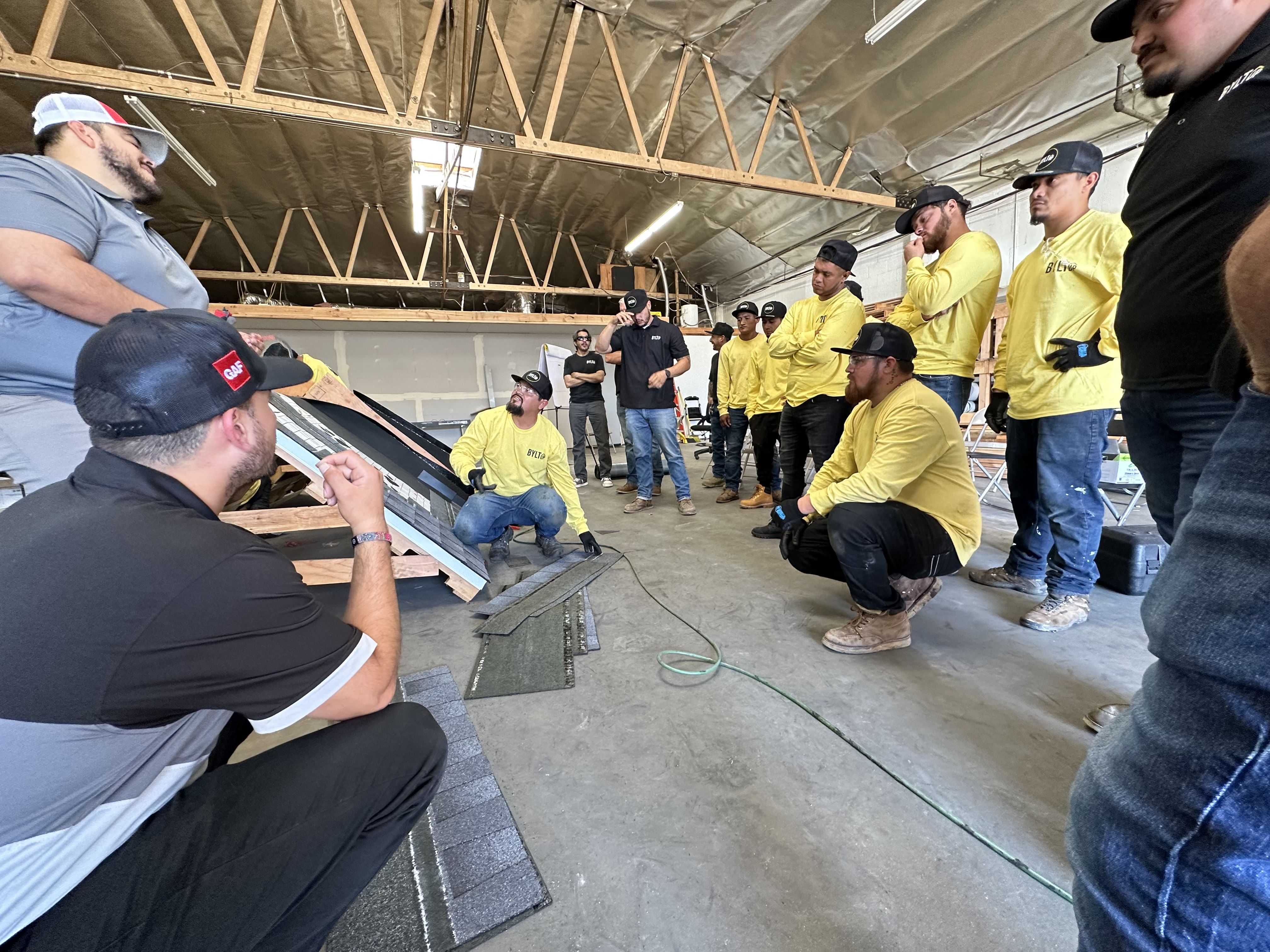
The performance of field-tested building materials depends entirely on the technical skills and accuracy of the installation crew. BYLTup technicians have been certified as GAF Master Elite Contractors and IB Roof Systems certified, provide the finest quality workmanship throughout Los Angeles County, Orange County and the Coachella Valley. The factory ensures that all thermal welds structural terminations, as well as edge flanges for perimeter edges conform to the most stringent specifications in the field of quality. By combining cutting-edge materials with certified technical execution we offer residential and commercial property owners with highly durable solutions for building and extensive warranties that protect their investments for decades to come.