
A small business is preparing for its first industry exhibition. The employees want to distribute branded giveaways, but one challenge has emerged. Much of the merchandise on offer appears to expect orders of very large quantities.
Their giveaway requirements are modest, but accepting uninspired designs would defeat the purpose. This is a familiar purchasing dilemma. Buying company gifts can evoke large budgets and bulk orders, but smaller firms also need appropriate gifts. Order size and originality can coexist.
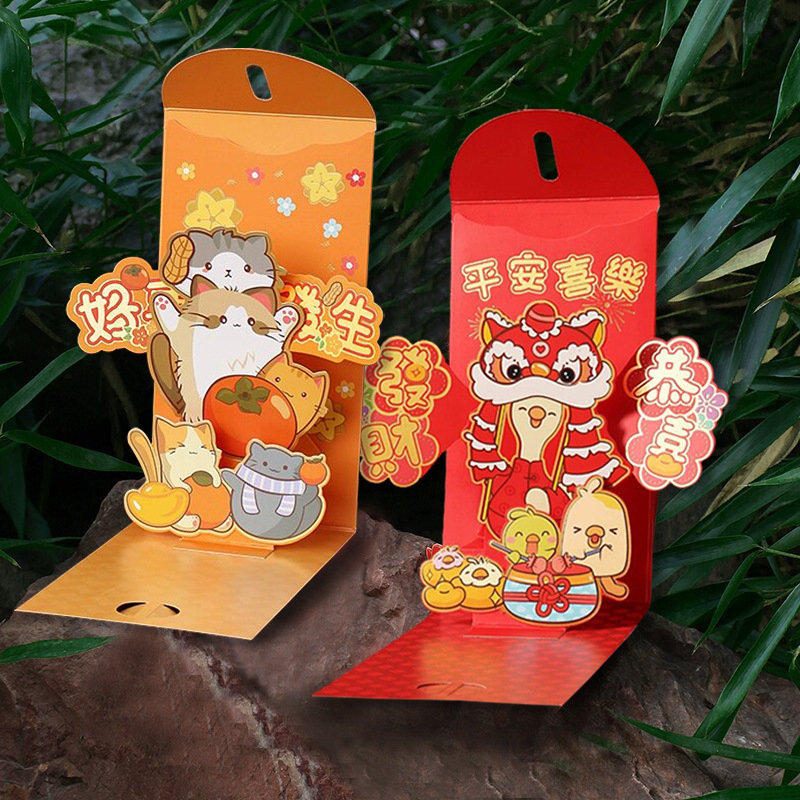
Why Smaller Gift Orders Shouldn’t Be Overlooked
An organization purchasing 50 giveaways isn’t making the same decision as a company ordering 5,000. Rather than reaching a huge crowd, smaller orders often target a defined audience such as customers, staff, and invited guests.
A better starting point than quantity alone is whether the merchandise fits the people receiving it and the event. For example, a local consultancy celebrating its anniversary might prefer personalized notebooks for existing clients instead of inexpensive giveaways intended for a large crowd. The appeal of Gifts often depends on their relevance to recipients, not merely the unit price.
Personalization Can Make Ordinary Products Feel Special
A standard product becomes more distinctive when its design reflects the organization giving it away. Corporate colors, important dates, named recipients, and subtle logos can all give a standard item identity.
Keepsake writing supplies may work well for a school; coordinated gifts may suit a company thank-you event. Effective personalization can be surprisingly simple. To discover more 禮品公司
An everyday giveaway can look more professional through clear lettering, a clean layout, and coordinated wrapping. Design approval should include checking the appearance of the print at its real production size. Fine lettering and complicated graphics may not reproduce clearly on small products.
Sustainability Should Be Practical, Not Just Promotional
During retail promotions, school events, and community gatherings, reusable promotional bags may be useful merchandise.
Environmentally conscious reusable bags can be considered for these purposes: environmental advertising is not enough to establish whether a product is suitable. Calling a bag reusable doesn’t ensure durability; strength needs evaluation. Whether recipients reuse a bag depends in part on its fabric, stitching, handles, and the weight it can carry.
Organizations concerned about sustainability should discuss material sourcing and supporting environmental credentials with suppliers. Selecting merchandise with a real use can reduce the risk of producing giveaways that are quickly discarded.
What to Expect From a Corporate Gift Supplier
Comparing gift companies involves more than reviewing product photographs and prices. Examine the branding possibilities, minimum quantities, sample access, manufacturing timelines, and quality-control processes.
For an exhibition with a firm deadline, timely coordination becomes particularly valuable. 101 Gift, a Hong Kong-based corporate gift design and customization company, provides one-stop services covering consultation, product design, manufacturing coordination, inspection, delivery, and after-sales support.
101 Gift accommodates smaller quantities for companies, educational institutions, and other groups ordering customized items for a range of events. The available projects include business promotional products, milestone gifts, client appreciation gifts, and special-occasion handouts.
Successful Small Orders Begin With Practical Planning
Creating an effective promotional item does not necessarily call for substantial spending or intricate artwork. Start with the recipient, choose an item with a purpose, and plan the manufacturing process.
For buyers who need only a limited run, 101 Gift offers tailored merchandise services for a variety of occasions.
For an anniversary, educational celebration, or professional event, the goal is the same: offer merchandise people value instead of a giveaway they quickly forget.