
A customer loves the color of a wig but finds the cap uncomfortable after several hours. For another wearer, the advantage of the natural-looking hairline comes with a drawback: twenty minutes of work on the lace each morning is more than they want. A third customer orders an attractive wig and discovers that its density feels heavier than anticipated.
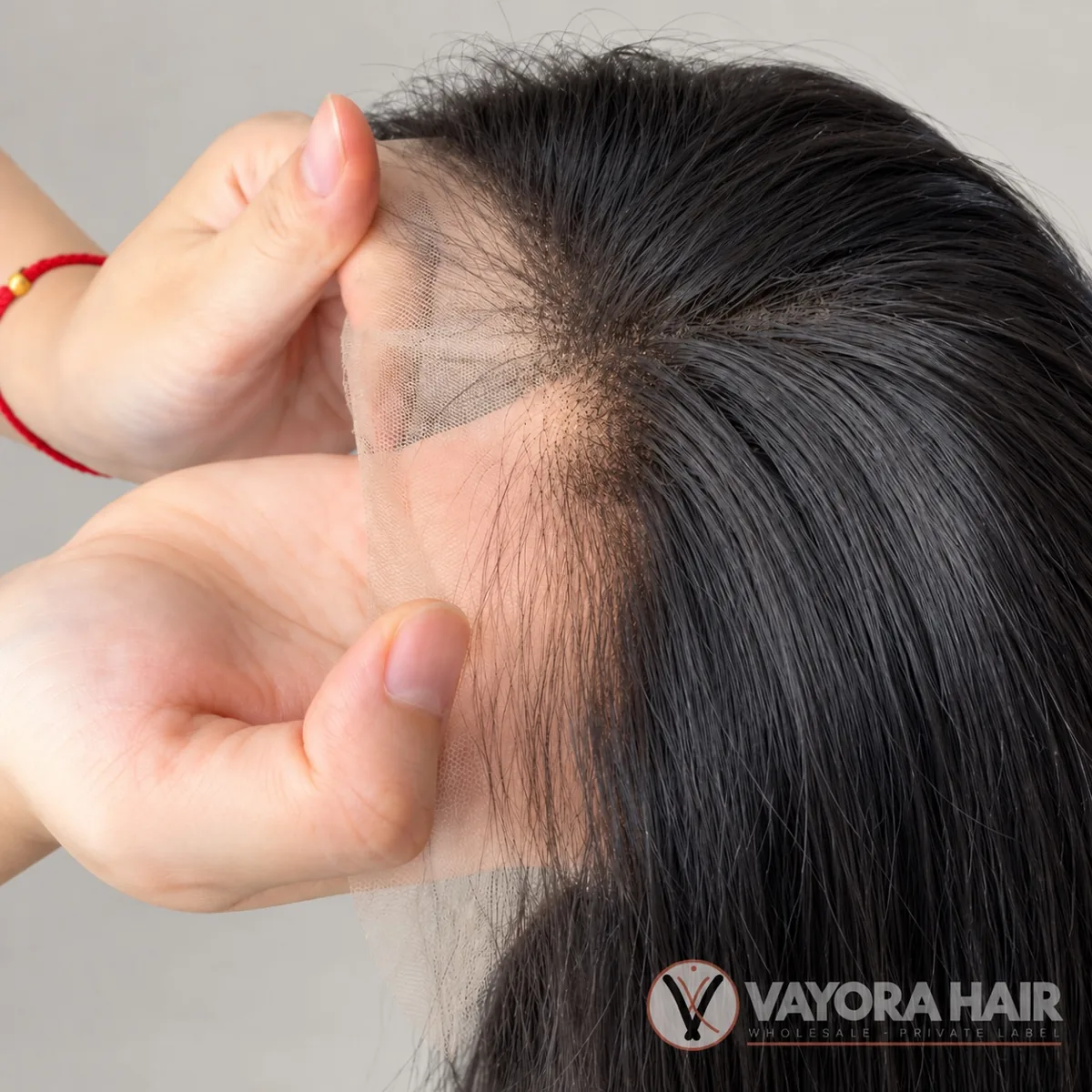
Image credit: vayorahair.com
A wig retailer developing its own products can view such responses as more than simple feedback. Such observations can guide product development toward products that deliver a better experience for wearers.
The most recent viral look is not necessarily the basis of a successful wig collection. A collection should begin with the wearer’s needs and the experience they want when they put it on.
Understand the Problems Behind the Purchase
A customer’s account of a concern is rarely expressed in the language of manufacturing. They talk about comfort, convenience, appearance, and confidence. A request for an easier morning routine might point toward a glueless construction. An unnatural-looking hairline may signal a problem with the appearance of the lace, knot treatment, density, or the way the part is designed.
When selecting a human hair wig manufacturer China brands should look for the ability to interpret ordinary customer concerns and convert them into measurable product specifications.
A request for a 22-inch body-wave wig can go well beyond length and texture: buyers can specify the desired wearing experience, cap fit, lace construction, hairline appearance, and finished weight. That level of detail gives the development team a clearer target.
How to Differentiate Your Private Label Wig Range
Rather than defining their own range, many emerging brands follow the products currently in demand. The result may be a product lineup that looks almost indistinguishable from those of competing stores.
To build a more consistent identity across its products, a brand can collaborate with a private label wig manufacturer China retailers work with. Possible directions include lightweight wigs for daily wear, a premium collection with natural-looking hairlines, or ready-to-wear wigs for buyers who want minimal preparation. Texture, length, color, density, cap construction, and packaging should support the same customer promise. Rather than relying solely on short-term discounts, a recognizable collection offers shoppers another reason to return.
Glueless Wigs Require More Than a Label
The straightforward label “glueless” does not capture the construction factors that determine the wearing experience. Cap sizing, adjustment features, attachment components, lace preparation, and hairline design all influence how comfortably and securely a wig fits.
Clarifying these requirements before production is something a glueless wig manufacturer China buyers work with should assist with. A brand serving new wig wearers, for instance, might focus on manageable density, pre-cut lace, and simple adjustment features. A professional stylist’s collection might require different customization options. There is no inherent superiority for either approach. Each serves a different customer.
Why Sampling Supports a Brand’s Reputation
There are details of a wig that cannot be assessed from a photograph by itself. Evaluating the unit means looking at the fit of the cap, the movement of the hair, color accuracy relative to expectations, and whether the final construction follows the approved design. The sample stage creates an opportunity to notice inconsistencies ahead of a larger order.
For a wholesale human hair wigs supplier, documented specifications and quality-control procedures are especially important when the same style must be produced repeatedly. Even a well-received first batch may be hard to replicate consistently if clear references are missing.
Growing a Wig Collection With a Clear Direction
VAYORA supports B2B wig brands, retailers, and distributors through product development, private label services, sampling, specification control, and repeat-production workflows. Physical details that affect the look, fit, and feel of a wig are connected to customer expectations through this approach.
A catalog expansion should follow a close examination of customer feedback, identification of the strongest product opportunities, and establishment of clear approval standards. The next successful collection may not require more styles. Instead, success may come from reducing compromises in the styles customers are already interested in.