
It usually starts small. There are a handful of Raspberry Pi devices being used for testing, perhaps in a lab or a pilot project. Everything feels manageable at that stage. You can manually check your devices then update them if necessary and address issues as they arise.
Then the things start to grow.
More devices get added. Different locations come into play. In the end, keeping track everything becomes extremely time-consuming and uncertain. At this stage, businesses start to look for structured ways to keep their systems in order. They often turn to solutions such as AWS devices management Raspberry Pi, which brings everything under one roof.
Growth is thrilling but if you don’t have the right plan in place, it could quickly get out of control.
Moving beyond manual Oversight
It may work for a small number of units, but it doesn’t grow. As deployments expand and teams expand, they will have to figure out a better way of manage operations and not have to be constantly dealing with problems.
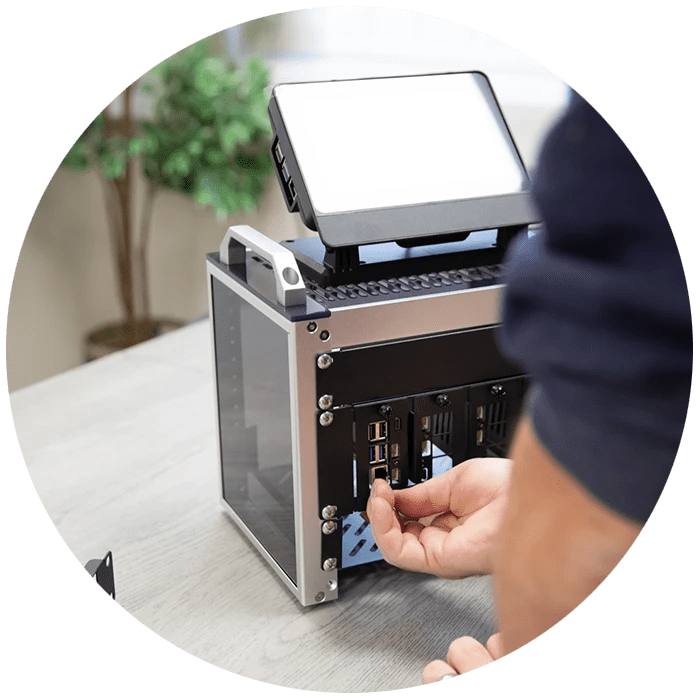
The Raspberry Pi setup with a solid device manager will change the method teams work. Centralized systems make it possible to monitor all devices without having to do so manually. Devices can be updated managed, configured, and monitored without physical access.
This creates a more secure environment that has fewer unwelcome surprises.
The Freedom of Remote Access
One of the biggest improvements in modern device administration is the ability to connect to Raspberry Pi remotely. This feature eliminates the need to physically be present, that can help save hours of time, particularly if devices are scattered across multiple places.
Remote access allows teams to troubleshoot problems immediately, share updates and make changes to settings quickly. That which was once a requirement for travel or on-site support can now be handled from an integrated dashboard.
This level of control brings a sense of flexibility which is vital for the development of systems.
Watching Everything as it Happens
Knowing that devices are running isn’t enough. It’s only when you see how the devices are performing in real-time that the system can be real-time trustworthy.
With the ability to monitor and manage Raspberry Pi and IOT device management, teams can keep track of performances, recognize unusual behavior, and respond before small issues turn into major disruptions. This visibility can be used to take a proactive instead of a reactive strategy.
The systems are easier to control and reliable if they are continuously monitored.
Tools that Reduce Complexity
The complexity of the system tends to increase when device networks expand. Without the right tools managing upgrades, configurations and performance can be a nightmare.
Modern Raspberry Pi device management tools are designed to simplify these tasks. They automate routine processes, provide clear insights, and ensure that devices are on track with their operational goals.
Instead of being occupied with routine tasks, teams can focus on improving their systems and expanding their capabilities.
Building Systems that Grow with You
One of the most crucial features of managing devices is the ability to scale. Scalability is essential in managing devices. An application that is able to manage ten devices will also be able to manage hundreds, or even thousands.
By using AWS IOT device management Raspberry Pi, businesses can develop systems that expand without losing the structure. Each new device is part of a larger, organized network instead of adding the volume. This method allows the growth to appear planned, rather than chaotic.
Stability is maintained as systems expand
The growth of a company is usually accompanied by new threats. Stability is the most important factor because the more devices means more points of failure.
The capability to manage and monitor Raspberry Pis as well as IOT devices ensures systems remain stable, even as they grow. It is possible to identify issues early, updates can be continuously applied, and performance can be maintained across the entire network. Businesses can rely on their systems due to this stability.
A Smarter Method to Manage Devices
The management of devices doesn’t have to be overwhelming. With the right structure in place, even large deployments can be managed efficiently.
The capability to connect remotely to Raspberry Pi, to use sophisticated Raspberry Pi tools for managing devices and rely on AWS IOT Device Management Raspberry Pi is transforming the way companies operate. What once felt complex becomes easy to manage, and what required constant attention, is now simplified.
ScalerPi focuses on making this transition smooth and assisting businesses in moving from scattered configurations to organized system that can be scalable.
As more companies embrace IoT and other advanced technologies making sure they have a clear and solid management system will be an essential element of the long-term success.