
It often starts small. A handful of Raspberry pi devices are deployed for testing, possibly in a pilot or laboratory project. Everything feels manageable at that moment. You can manually check your devices, and update them as necessary and correct any issues that arise.
After that, the things start expand.
More devices get added. Diverse locations are added. It becomes challenging to keep on top of all the devices and information. At this point, businesses begin looking for structured ways to manage their systems, often turning toward solutions like AWS IOT device management Raspberry Pi to bring everything under one roof.
Growth can be thrilling, but it is difficult to manage without the proper process.
Moving Beyond Manual Oversight
It could work for a small number of units, however this strategy doesn’t expand. When deployments expand teams must figure out a way to monitor processes without being forced to tackle every issue.
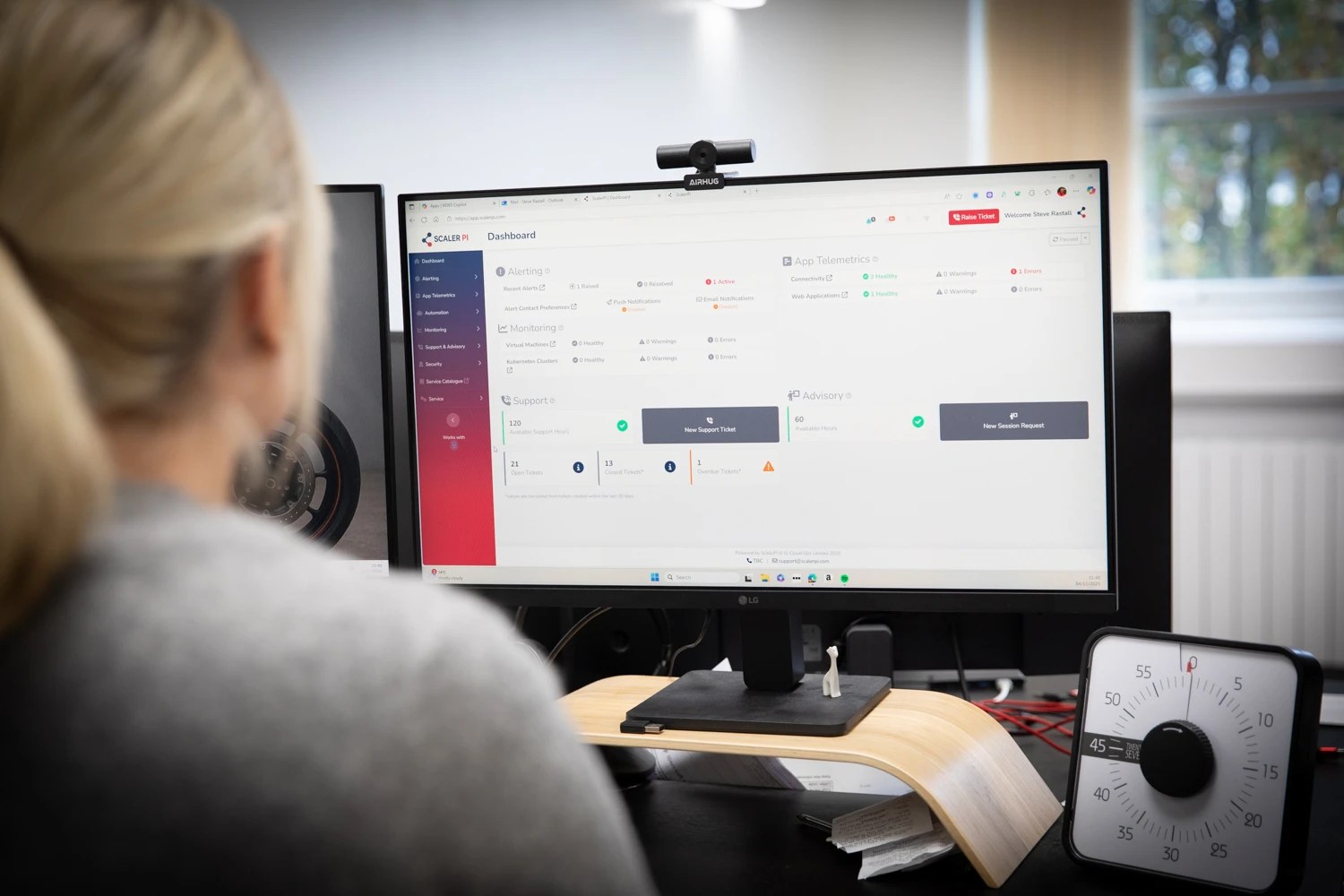
A solid device manager Raspberry Pi setup changes how teams interact with their systems. A central system lets users to examine all devices at once, instead of doing it separately. Devices can be monitored, updated, and configured without physical access.
This decreases the stress on teams, and results in a stable environment where fewer things are put in the hands of chance.
Remote Access Remote Access: The Freedom of Remote Access
One of the most important innovations in modern device management is the ability to connect to Raspberry Pi remotely. This option eliminates the need for physically being in the room, which can save hours of time.
Remote access allows teams to resolve issues immediately, deploy updates and modify configurations without delay. Today, issues that used to need on-site or off-site assistance can be controlled from a single dashboard.
This control level gives a feeling of flexibility, which is essential for the development of systems.
Seeing Everything as It Happens
It’s not enough to know that the devices are in operation. What makes a system reliable is knowing how it performs in real-time.
Teams can keep track of and monitor Raspberry Pi device management and identify any unusual behavior. They can then respond to minor problems prior to them becoming major problems. This visibility permits a proactive approach rather than a reactive approach.
Monitoring systems constantly ensures they are more reliable and controllable.
Tools to Make Life Simpler
As networks expand and complexity increases, it can be difficult to manage. Without the proper tools, managing changes, configurations, and performance may become overwhelming.
Modern Raspberry Pi device management tools have been designed to simplify the process. These tools automate mundane operations, provide clear and accurate information and make sure that devices are in line with the operational objectives.
Instead of spending time on tedious tasks, teams could focus on building their systems and expanding their capabilities.
Building Systems That Grow With You
Scalability is one of the most crucial aspects of the management of devices. Scalability is crucial to managing devices.
AWS device management Raspberry Pi allows businesses to build systems that can expand without compromising their structure. Each new device will become part of an organized, larger network instead of introducing complexity. This technique allows the increase to appear controlled, instead of chaotic.
Stability is a must as Systems Expande
Growth can be accompanied by new threats. More devices mean more potential sources of failure, which is why stability a top priority.
The ability to manage and monitor Raspberry Pis as well as IOT devices makes sure that the systems remain stable even as they expand. The early detection of problems allows for the system to be fixed and updates are always applied, and performance is maintained across the network. Businesses can trust their systems because of this stability.
A Smarter Method to Manage Devices
The management of devices doesn’t need to be a burden. Even large-scale deployments can be handled by implementing the proper structure.
Connecting to Raspberry Pi remotely, use sophisticated Raspberry Pi devices management tools and depend on platforms such as AWS IOT to manage devices Raspberry Pi alters the way that businesses operate. What used to be a challenge is now simple, and what required constant attention now becomes simple.
ScalerPi focuses on smoothing this transition, helping businesses move from chaotic setups to system that can be scalable.
As more companies embrace IoT and edge technology, having a clear and solid management system is the key to the long-term success.